Understanding Sensory Engagement in the Kitchen
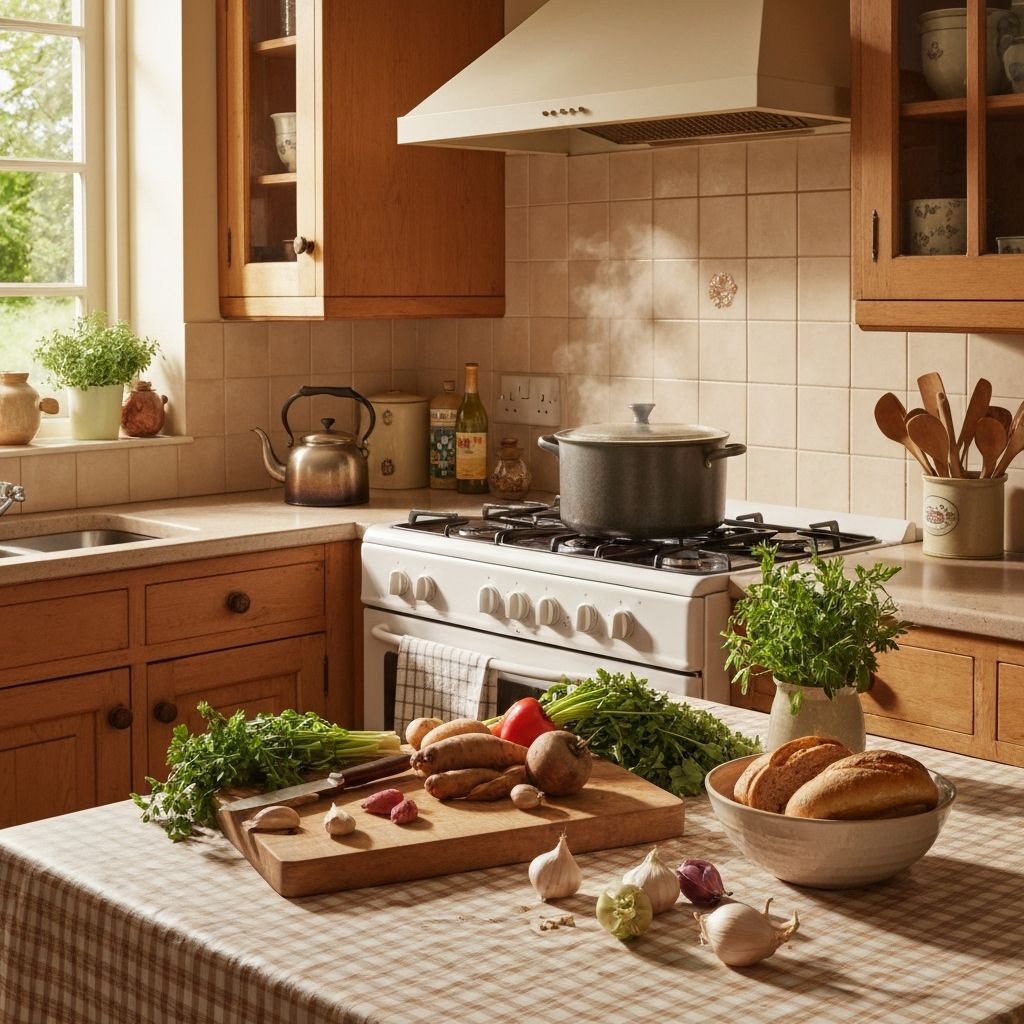
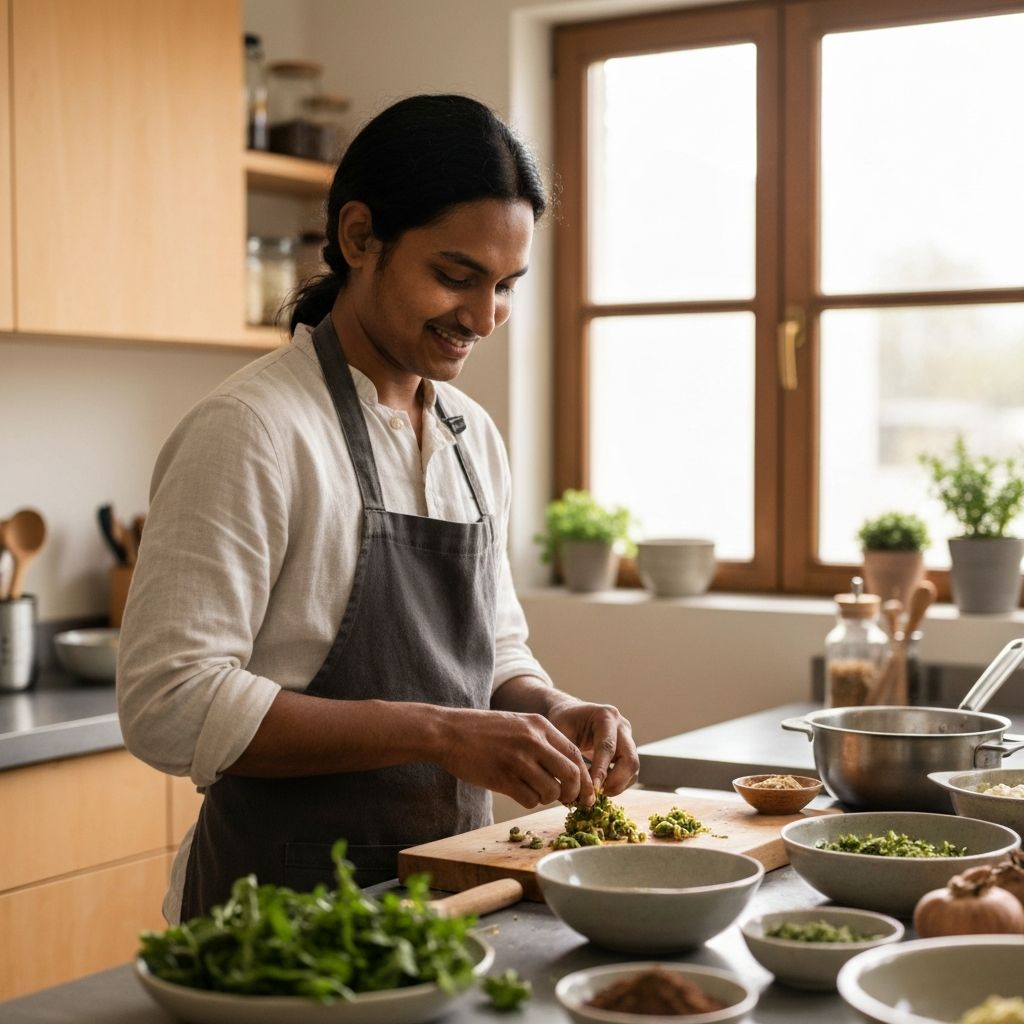
Food preparation naturally engages multiple sensory channels simultaneously. The visual appeal of fresh ingredients, the tactile experience of handling vegetables and herbs, the auditory feedback from cutting boards and simmering pans, and the olfactory richness of fresh produce all contribute layers to the cooking experience.
The Role of Texture in Cooking
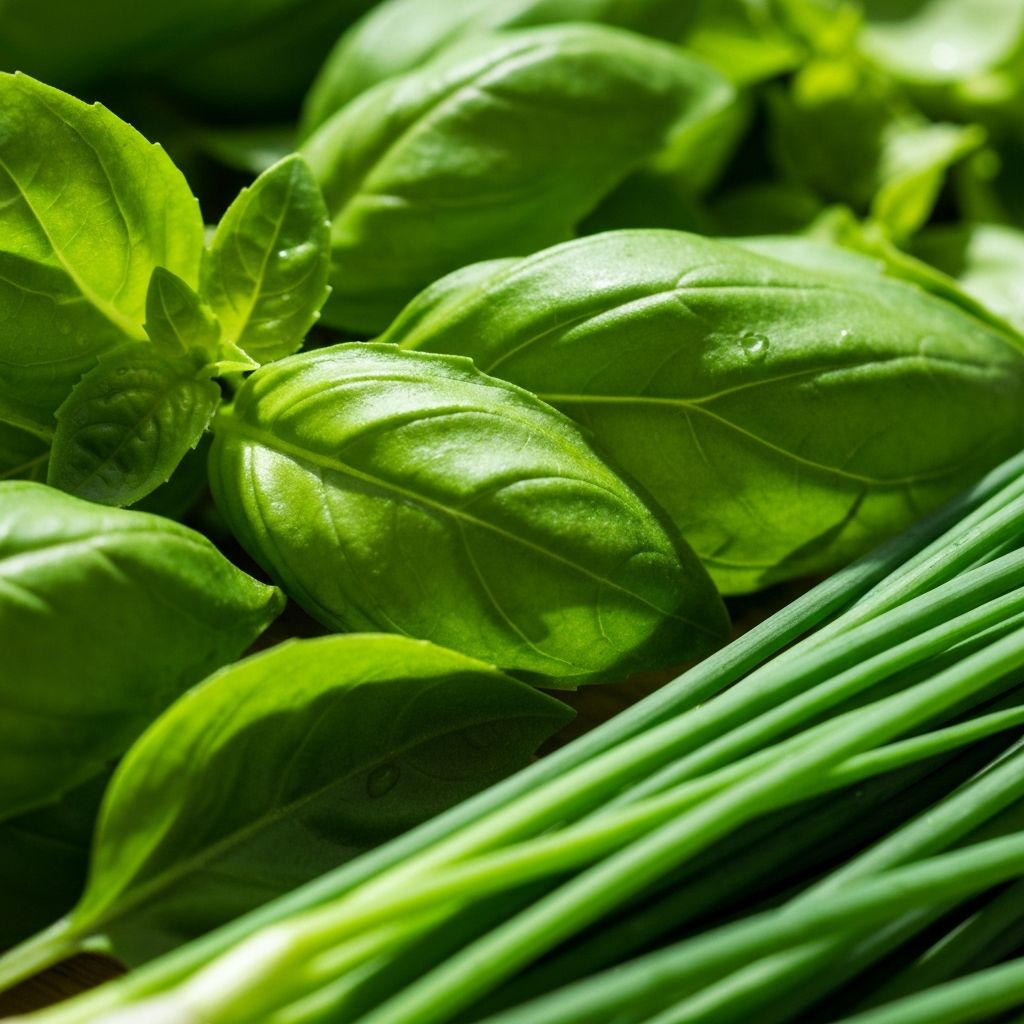
Texture forms a significant component of food preparation experiences. As hands move through the preparation process—cutting carrots, tearing herbs, arranging vegetables—they receive tactile feedback that contributes to the overall sensory experience. This tactile engagement is not incidental; it forms part of what makes cooking a multisensory activity.
Different ingredients present different textures: the smooth surface of an onion, the delicate leaves of fresh basil, the firmness of root vegetables. Paying attention to these tactile differences during preparation can heighten awareness of the materials being worked with.
Aroma as a Cooking Signal
Aroma in cooking serves both functional and experiential purposes. The smell of herbs warming in oil, of vegetables beginning to soften, of spices releasing their volatile compounds—these olfactory signals provide real-time feedback about cooking progress. Beyond function, aroma contributes substantially to the sensory richness of the cooking experience.
Research in sensory perception has long established that smell significantly influences flavor perception. The aroma encountered during preparation begins preparing taste receptors before food even enters the mouth, establishing expectations and enhancing the later eating experience.
Integration of Senses in Conscious Cooking
When texture and aroma receive deliberate attention during food preparation, they naturally integrate into a richer sensory experience. This integration isn't about achieving a specific state; it's simply allowing the sensory aspects already present in cooking to receive conscious attention.
People often report that cooking becomes more engaging when they actively notice these sensory elements rather than moving through preparation on autopilot. The kitchen transforms from a space of functional necessity to one where sensory engagement and awareness naturally develop.
Cultural Contexts of Sensory Cooking
Many cultural food traditions have long emphasized sensory engagement during preparation. British traditional cooking methods—slow roasting, stewing, bread-making—naturally incorporate extended sensory engagement with ingredients. These methods weren't developed for wellness purposes but emerged from practical necessity, yet they embedded sensory awareness into everyday cooking.
This article provides educational information about sensory awareness in food preparation. It describes observable experiences and cultural practices rather than offering personal recommendations or making claims about specific outcomes. Individual sensory experiences vary, and this content should not be interpreted as professional guidance.